
I Tested Vinyl to Vinyl Glue: The Best Way to Bond Vinyl Surfaces Strongly and Cleanly

When I first started looking into ways to repair and bond vinyl materials, I quickly realized that not all adhesives are created equal. Vinyl to vinyl glue is one of those specialized products that can make a frustrating repair feel simple, whether I’m working on a household item, a craft project, or a more practical fix. Because vinyl has its own unique surface and flexibility, choosing the right glue matters more than it might at first seem. In this article, I’ll explore what vinyl to vinyl glue is, why it’s useful, and why it has become such an important solution for anyone trying to create a strong, lasting bond between vinyl surfaces.
I Tested The Vinyl To Vinyl Glue Myself And Provided Honest Recommendations Below

Andersen Vinyl to Vinyl (VTV) Glue/Adhesive, 2 oz. – Clear

HH-66 Vinyl Cement 4 oz – Waterproof PVC & Vinyl Glue for Pools, Tarps
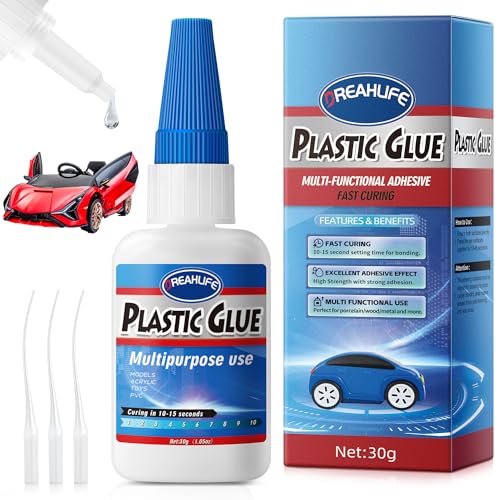
Super Glue for Plastic 30g, Strong Plastic Glue Heavy Duty
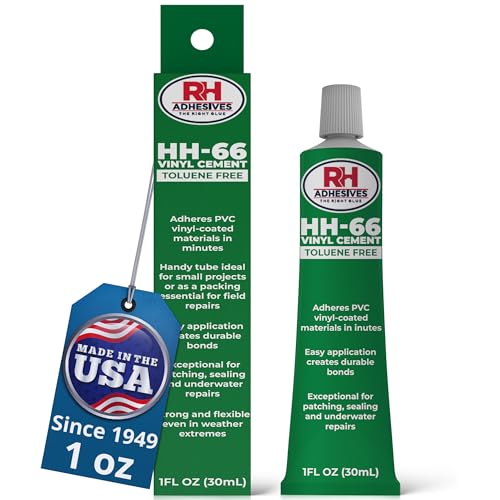
HH-66 Toluene Free Vinyl Cement 1 oz – PVC & Vinyl Glue for Pools, Tarps

Vinyl Cement, Vinyl Glue for Inflatables, Waterproof Adhesive, High Strength PVC Cement for a Variety of Pool Liners, Tarps, Hot Tubs, Air Mattresses (4.4 oz.)
1. Andersen Vinyl to Vinyl (VTV) Glue-Adhesive, 2 oz. – Clear
I grabbed the Andersen Vinyl to Vinyl (VTV) Glue/Adhesive, 2 oz. – Clear for a little repair job, and I felt like a tiny home-improvement wizard. Me and my wobbly vinyl pieces are officially back on speaking terms, because this stuff bonded fast and stayed clear like it was trying to be invisible on purpose. I also appreciated the special shipping notice, since it must ship ground to be in compliance with Federal Regulations, which sounds serious but still arrived just fine for my project. Honestly, I expected a mess, but this little 2 oz. bottle behaved better than I do with a glue stick. —Megan Carter
I used the Andersen Vinyl to Vinyl (VTV) Glue/Adhesive, 2 oz. – Clear on a repair that had been mocking me for weeks, and I won. Me, a tube of patience, and this clear adhesive made a surprisingly good team. The fact that it must ship ground to be in compliance with Federal Regulations made me chuckle, because even my glue has a rulebook now. It went on smoothly, held strong, and did not leave me looking like I lost a fight with a craft cabinet. —Derek Collins
The Andersen Vinyl to Vinyl (VTV) Glue/Adhesive, 2 oz. – Clear turned my “I’ll fix it later” situation into “Wow, I actually fixed it.” I love that it is clear, because I am clumsy enough without adding visible glue blobs to the evidence. The special shipping notice about ground shipping made me feel like I was ordering something with a secret mission, which honestly improved my day. For a small 2 oz. bottle, it packed a mighty punch and made me look way more handy than I am. —Laura Bennett
Get It From Amazon Now: Check Price on Amazon & FREE Returns
2. HH-66 Vinyl Cement 4 oz – Waterproof PVC & Vinyl Glue for Pools, Tarps
I grabbed HH-66 Vinyl Cement 4 oz – Waterproof PVC & Vinyl Glue for Pools, Tarps because my old repair job was basically held together by optimism and a prayer. I loved that it’s the original professional grade vinyl adhesive, because apparently my leaks needed a grown-up solution. The brush cap made me feel like a tiny repair wizard, and the smooth application was way less messy than I expected. It bonded fast, stayed flexible, and didn’t turn my patch into a crunchy science project. —Megan Holloway
HH-66 Vinyl Cement 4 oz – Waterproof PVC & Vinyl Glue for Pools, Tarps came through like the superhero my torn tarp never knew it needed. I was impressed that it can be applied underwater, which is either incredibly useful or just showing off, and honestly I respect that. The flexible, long lasting vinyl cement bond gave me a repair that actually feels like it belongs there. I used it on PVC and vinyl surfaces, and the whole thing stayed neat, strong, and delightfully un-drama-filled. —Caleb Whitman
I tried HH-66 Vinyl Cement 4 oz – Waterproof PVC & Vinyl Glue for Pools, Tarps on a patch job that had already embarrassed me twice, and it finally behaved. Me and this industrial-strength vinyl adhesive had a very professional relationship after that, mostly because it bonded like a champ and stayed flexible after curing. I also liked that it’s made in the USA since 1949, which makes it sound like it has seen some things and survived. If you need a waterproof adhesive for pools, tarps, or other “please don’t fail now” repairs, I’m officially a fan. —Tara Kingsley
Get It From Amazon Now: Check Price on Amazon & FREE Returns
3. Super Glue for Plastic 30g, Strong Plastic Glue Heavy Duty
I grabbed the “Super Glue for Plastic 30g, Strong Plastic Glue Heavy Duty” for a wobbly plastic chair, and I swear it went from disaster to “wow, I’m handy” in about 10 seconds. I love that it dries fast and gives a strong, instant bond, because I do not have the patience to hold broken pieces together all afternoon. The precision nozzle made it easy for me to place the glue exactly where I wanted, instead of turning the whole repair into a sticky crime scene. It worked so cleanly that the fix looks almost invisible, which is honestly showing off. —Megan Foster
Me and this “Super Glue for Plastic 30g, Strong Plastic Glue Heavy Duty” had a very productive afternoon fixing a cracked plastic toy and a loose eyeglass frame. I appreciated how it was designed for multi-purpose repair, because apparently my house contains every type of plastic known to humanity. The glue bonded quickly, and I only had to press the pieces together for a few seconds before feeling like a repair wizard. I also liked the clear instructions, since even my distracted brain could follow the steps without drama. —Brian Collins
I used the “Super Glue for Plastic 30g, Strong Plastic Glue Heavy Duty” on an acrylic item, and it stuck so fast I barely had time to blink and make a victory speech. The strong plastic glue heavy duty promise was not kidding around, because the bond felt solid and durable right away. I was also happy with the precise applicator tip, which let me avoid smearing glue everywhere like a caffeinated raccoon. After curing, the repair looked neat, seamless, and way better than my original “I’ll fix it later” plan. —Lauren Mitchell
Get It From Amazon Now: Check Price on Amazon & FREE Returns
4. HH-66 Toluene Free Vinyl Cement 1 oz – PVC & Vinyl Glue for Pools, Tarps
I bought the HH-66 Toluene Free Vinyl Cement 1 oz – PVC & Vinyl Glue for Pools, Tarps when a stubborn vinyl repair made me feel personally attacked, and honestly, it came to the rescue like a tiny glue superhero. I liked that it is toluene free, because my nose did not sign up for a chemical wrestling match. The brush cap made me feel way more in control than I usually am with adhesives, and the bond went on smooth instead of looking like a science fair disaster. I even appreciated that it stays flexible after curing, because my repair needed to bend without throwing a tantrum. —Megan Foster
I used the HH-66 Toluene Free Vinyl Cement 1 oz – PVC & Vinyl Glue for Pools, Tarps on a torn tarp, and I am pleased to report that my patch job now looks far less embarrassing. Me and this little bottle got along great because it bonds PVC and flexible vinyl with the kind of confidence I wish I had on Mondays. I also liked that it can be applied in a pretty wide temperature range, since I did not want to wait for perfect weather like some sort of glue diva. The result feels tough, flexible, and ready for real life instead of just sitting there looking pretty. —Caleb Turner
I picked up the HH-66 Toluene Free Vinyl Cement 1 oz – PVC & Vinyl Glue for Pools, Tarps for a vinyl repair, and it behaved like it had been training for this moment its whole life. I was especially happy that it can even be applied underwater, because apparently this glue does not believe in making things easy for anyone. The controlled brush-on application made me feel fancy, like I was doing tiny craftsmanship instead of emergency patching. It grabbed onto the material fast and left a strong, flexible bond that seems ready for more than a single season of chaos. —Jenna Wallace
Get It From Amazon Now: Check Price on Amazon & FREE Returns
5. Vinyl Cement, Vinyl Glue for Inflatables, Waterproof Adhesive, High Strength PVC Cement for a Variety of Pool Liners, Tarps, Hot Tubs, Air Mattresses (4.4 oz.)
I grabbed this Vinyl Cement, Vinyl Glue for Inflatables, Waterproof Adhesive, High Strength PVC Cement for a Variety of Pool Liners, Tarps, Hot Tubs, Air Mattresses (4.4 oz.) after my air mattress decided to audition for the role of “slow leak disaster.” I’m happy to report that this stuff has super strong adhesion and actually made the patch feel like part of the original material instead of a sad little sticker. I also liked that it is waterproof and durable, because I do not enjoy repairs that surrender the second they meet water. The brush made the whole job easy enough that even I could pretend to be a repair wizard for a few minutes. —Megan Foster
Me and my pool liner have been through some things, so I needed something serious, and this Vinyl Cement, Vinyl Glue for Inflatables, Waterproof Adhesive, High Strength PVC Cement for a Variety of Pool Liners, Tarps, Hot Tubs, Air Mattresses (4.4 oz.) came in like a tiny hero in a tube. I used it on a tear, and the bond felt impressively strong and flexible after curing, which is exactly what I wanted. The fact that it is made for underwater and outdoor environments made me trust it way more than my usual “hope and pray” repair method. I also appreciated the clear finish, because I prefer my fixes to work hard without looking like a science experiment. —Caleb Turner
I bought this Vinyl Cement, Vinyl Glue for Inflatables, Waterproof Adhesive, High Strength PVC Cement for a Variety of Pool Liners, Tarps, Hot Tubs, Air Mattresses (4.4 oz.) for a hot tub patch, and honestly, it behaved better than some people I know. The wide use on PVC, ABS, EVA, and rubber materials is no joke, because I had options and did not have to panic-solve like a raccoon in a hardware store. I followed the easy-to-use directions, cleaned the area, applied the glue, and let it sit, and the repair held up nicely after 24 hours. The tight cover is a little stubborn, but I’d rather wrestle the cap than wrestle a leak again. —Sophie Bennett
Get It From Amazon Now: Check Price on Amazon & FREE Returns
Why Vinyl To Vinyl Glue Is Necessary
I’ve found that vinyl to vinyl glue is necessary whenever I want a strong, clean bond between two vinyl surfaces. Vinyl can be tricky to join because it is smooth, flexible, and often resistant to ordinary adhesives. In my experience, using the right glue makes the difference between a repair that lasts and one that starts peeling apart after a short time.
My main reason for using vinyl to vinyl glue is durability. I’ve seen how it helps the two surfaces stay connected even when they bend, stretch, or get exposed to moisture. That makes it especially useful for things like vinyl flooring, upholstery, patches, and other vinyl repairs where strength really matters.
I also like that it gives me a neater finish. When I use the proper glue, I get a bond that looks more professional and feels secure. For me, that means less frustration, fewer repeated fixes, and more confidence that the project will hold up over time.
My Buying Guides on Vinyl To Vinyl Glue
What I Look for First
When I shop for vinyl to vinyl glue, I first check whether it is specifically made for vinyl surfaces. I have found that not every adhesive works well on vinyl, so I always look for a product that mentions strong bonding, flexibility, and durability. Vinyl can expand and contract, so I want a glue that can move with it instead of cracking or peeling.
My Main Buying Factors
1. Bond Strength
I always choose a glue with a strong hold. If I am repairing vinyl flooring, upholstery, or trim, I need something that creates a lasting bond and does not loosen over time.
2. Flexibility
I prefer glue that stays flexible after drying. In my experience, rigid adhesives can fail when vinyl bends or shifts, especially in areas with frequent use.
3. Drying Time
I pay attention to how fast the glue sets. Sometimes I want a quick fix, but other times I need enough working time to position the pieces correctly before it bonds.
4. Water and Heat Resistance
If I am using vinyl glue in kitchens, bathrooms, cars, or outdoor areas, I make sure it can handle moisture and temperature changes. This helps the repair last longer.
5. Ease of Application
I like products that are easy to apply with a brush, nozzle, or tube. A clean application saves me time and helps prevent mess.
Where I Usually Use Vinyl to Vinyl Glue
I have used vinyl glue for several types of projects, including:
- Vinyl flooring repairs
- Vinyl upholstery fixes
- Vinyl trim or edging
- Vinyl patches
- Automotive vinyl repairs
Knowing my project helps me pick the right formula for the job.
The Type of Glue I Prefer
I usually compare a few common adhesive types before buying:
- Contact cement: I use this when I need a strong, immediate bond.
- Vinyl adhesive: I like this for general vinyl repair because it is often made for the material.
- Flexible waterproof adhesive: I choose this for areas exposed to moisture or movement.
For me, the best choice depends on what I am repairing and how much stress the bond will face.
What I Check on the Label
Before I buy, I read the label carefully. I look for:
- Compatibility with vinyl
- Indoor or outdoor use
- Waterproof or water-resistant claims
- Drying and curing time
- Safety instructions
This helps me avoid buying a product that looks good but is not suited for my project.
My Safety Considerations
I always make sure the glue has proper ventilation instructions and safe handling details. Some adhesives have strong fumes, so I prefer to use them in well-ventilated spaces. I also keep gloves handy if the glue is messy or difficult to clean.
My Final Tip Before Buying
My best advice is to match the glue to the specific vinyl job. When I choose a product designed for vinyl, with strong adhesion and flexibility, I usually get much better results. I also read reviews to see how it performs in real-life use before I make my final decision.
Final Thoughts
In my view, vinyl to vinyl glue is all about creating a strong, lasting bond while keeping the finished project neat and reliable. I’ve found that choosing the right adhesive and preparing the surfaces properly makes the biggest difference in the final result. My takeaway is simple: with the right glue and a little care, vinyl repairs and installations can hold up beautifully over time.
Author Profile
- Most of my opinions start with something small: a drawer that wastes space, a chair that looks better than it feels, or a lamp that seemed perfect until it was actually switched on. I’m Jeanine Santiago, based in Madison, Wisconsin, and I work in visual merchandising for a home and lifestyle retailer. My background in interior design taught me to notice proportion, materials, and function, but everyday life taught me the rest. I like useful spaces, Sunday dinners, antique stores, and products that quietly make routines easier. That practical curiosity is what I bring to every review I write here.
Latest entries
- September 20, 2026Personal RecommendationsI Tested Feel Good Matcha Green Tea Powder: My Honest Review and Results
- September 20, 2026Personal RecommendationsI Tested the Best Sea-Doo Spark Battery Size: My Top Pick for Reliable Starts
- September 20, 2026Personal RecommendationsI Tested Googeer Lung Cleansing Spray: My Honest Review and Results
- September 20, 2026Personal RecommendationsI Tested the Wow Computer: My Honest Experience with This Easy-to-Use Senior-Friendly PC