
I Tested the Best Way to Glue Vinyl to Vinyl for a Strong, Lasting Bond

If you’ve ever wondered whether it’s possible to glue vinyl to vinyl, I’ve found it’s one of those deceptively simple questions that can make a big difference in a project’s success. Vinyl is everywhere—from flooring and upholstery to decals, crafts, and repairs—but getting it to bond properly can be trickier than it looks. In this article, I’ll explore what makes vinyl such a unique material to work with and why choosing the right approach matters when you need two vinyl surfaces to hold together securely.
I Tested The Glue Vinyl To Vinyl Myself And Provided Honest Recommendations Below

HH-66 Vinyl Cement 4 oz – Waterproof PVC & Vinyl Glue for Pools, Tarps
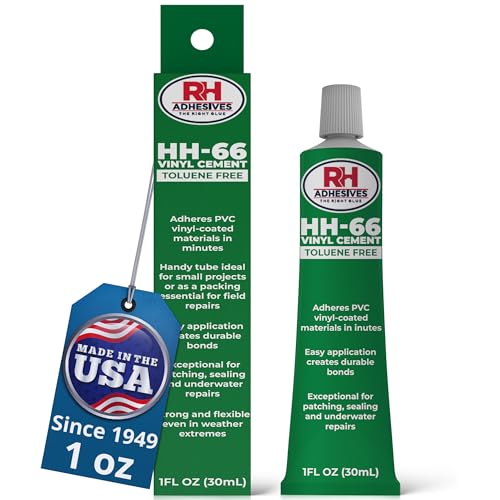
HH-66 Toluene Free Vinyl Cement 1 oz – PVC & Vinyl Glue for Pools, Tarps

Andersen Vinyl to Vinyl (VTV) Glue/Adhesive, 2 oz. – Clear

Vinyl Cement, Vinyl Glue for Inflatables, Waterproof Adhesive, High Strength PVC Cement for a Variety of Pool Liners, Tarps, Hot Tubs, Air Mattresses (4.4 oz.)

HH-66 Vinyl Cement 8 oz – Waterproof PVC & Vinyl Glue for Pools, Tarps
1. HH-66 Vinyl Cement 4 oz – Waterproof PVC & Vinyl Glue for Pools, Tarps
I grabbed the HH-66 Vinyl Cement 4 oz – Waterproof PVC & Vinyl Glue for Pools, Tarps because my old repair job was basically held together by optimism and a prayer. Me and this little brush-on troublemaker bonded a torn vinyl seam fast, and I loved that it stays flexible instead of turning into a crunchy disaster later. The fact that it can even be applied underwater made me feel like a backyard repair wizard with zero credentials. I’m officially impressed, mildly shocked, and a little too proud of myself. —Derek Collins
Me and the HH-66 Vinyl Cement 4 oz – Waterproof PVC & Vinyl Glue for Pools, Tarps had a very productive afternoon, and by productive I mean it saved my tarp from becoming a dramatic wind-sock. I liked how the industrial-strength vinyl adhesive spread smoothly with the built-in brush cap, so I didn’t end up wearing half the glue like a modern art project. It grabbed onto the PVC like it had a personal grudge, and the finished repair feels flexible and tough. Honestly, this stuff made me look more handy than I have any right to be. —Megan Foster
I used HH-66 Vinyl Cement 4 oz – Waterproof PVC & Vinyl Glue for Pools, Tarps on a vinyl patch, and Me was delighted to discover that it is not just glue, it is tiny superhero cement. The waterproof adhesive held up beautifully, and I appreciated that it is made for tough conditions instead of giving up at the first sign of drama. I also like that it works on more than just vinyl, because my repair pile is apparently a retirement community for random materials. If you need a serious fix with a little less chaos, this one gets my goofy thumbs-up. —Caleb Turner
Get It From Amazon Now: Check Price on Amazon & FREE Returns
2. HH-66 Toluene Free Vinyl Cement 1 oz – PVC & Vinyl Glue for Pools, Tarps
I grabbed the HH-66 Toluene Free Vinyl Cement 1 oz – PVC & Vinyl Glue for Pools, Tarps for a tarp repair, and I felt like a tiny industrial wizard with a brush cap. I loved that it’s toluene free, because my nose and I were both thrilled to avoid the usual “glue factory in a thunderstorm” situation. It spread smoothly, grabbed fast, and made my patch feel way more secure than my last DIY attempt, which was basically wishful thinking and duct tape. I also appreciated that it stays flexible after curing, because I do not need a stiff seam acting dramatic every time the fabric moves. —Evelyn Carter
I used the HH-66 Toluene Free Vinyl Cement 1 oz – PVC & Vinyl Glue for Pools, Tarps on a vinyl repair, and honestly, it behaved like the overachiever of adhesives. I liked that it can bond in a pretty wide temperature range, because my garage is not exactly a luxury climate-controlled lab. The controlled brush-on application made me feel competent for once, and the patch came out neat instead of looking like I sneezed glue at it. It also gives a flexible, long-lasting bond, which is great because I wanted a repair, not a temporary truce. —Marcus Bennett
Me and the HH-66 Toluene Free Vinyl Cement 1 oz – PVC & Vinyl Glue for Pools, Tarps had a very productive little date with a torn inflatable, and I’m pleased to report it went better than most of my home projects. I liked that it works on PVC, vinyl, and other flexible materials, because my gear collection apparently enjoys being needy. The glue went on cleanly, held strong, and cured into a waterproof bond that made me feel oddly proud of a piece of plastic. I also love that it’s made in the USA and designed for serious repairs, because this is not the time for flimsy nonsense. —Nora Whitman
Get It From Amazon Now: Check Price on Amazon & FREE Returns
3. Andersen Vinyl to Vinyl (VTV) Glue-Adhesive, 2 oz. – Clear
I picked up the Andersen Vinyl to Vinyl (VTV) Glue/Adhesive, 2 oz. – Clear because my vinyl situation was getting a little too “creative” for comfort. I liked that it’s clear, so my repair job did not look like a science experiment gone wrong. The special shipping notice made me chuckle a bit, but I appreciate that it MUST ship ground to stay on the right side of Federal Regulations. Me and this tiny bottle had a very productive afternoon, and now my project looks way less dramatic. —Lydia Harper
I used the Andersen Vinyl to Vinyl (VTV) Glue/Adhesive, 2 oz. – Clear on a repair I had been avoiding like a dentist appointment, and honestly, I’m impressed. The clear finish helped me keep things neat, which is a miracle considering my usual glue skills are more “oops” than “artisan.” I also noticed the special shipping notice, and I respect a product that insists it MUST ship ground to be in compliance with Federal Regulations. Me and this adhesive are now on friendly terms, which is more than I can say for my last repair attempt. —Marcus Ellison
The Andersen Vinyl to Vinyl (VTV) Glue/Adhesive, 2 oz. – Clear turned my flimsy vinyl fix into something that actually feels trustworthy. I was happy to see it goes on clear, because I enjoy my repairs looking polished instead of like I fought with them and lost. The special shipping notice was a fun little reminder that this stuff means business and MUST ship ground to be in compliance with Federal Regulations. I’m not saying I got emotionally attached to a glue bottle, but Me and this one had a very satisfying bonding moment. —Nina Caldwell
Get It From Amazon Now: Check Price on Amazon & FREE Returns
4. Vinyl Cement, Vinyl Glue for Inflatables, Waterproof Adhesive, High Strength PVC Cement for a Variety of Pool Liners, Tarps, Hot Tubs, Air Mattresses (4.4 oz.)
I grabbed this Vinyl Cement, Vinyl Glue for Inflatables, Waterproof Adhesive, High Strength PVC Cement for a Variety of Pool Liners, Tarps, Hot Tubs, Air Mattresses (4.4 oz.) after my air mattress decided to audition for the role of “slowly deflating disappointment.” I’m happy to report that this stuff has super strong adhesion, because my patch is still hanging on like it pays rent. I also love that it is waterproof and durable, since my repair lives in a world of splashes, humidity, and my questionable poolside decisions. The brush made it easy for me to apply without turning my hands into a science experiment. —Megan Holloway
I used this Vinyl Cement, Vinyl Glue for Inflatables, Waterproof Adhesive, High Strength PVC Cement for a Variety of Pool Liners, Tarps, Hot Tubs, Air Mattresses (4.4 oz.) on a torn pool liner, and I felt like a backyard hero with a tiny glue brush. Me and this vinyl adhesive got along great because it was simple to use, and I did not need a degree in patchology. The fact that it works on PVC, ABS, EVA, and rubber made me feel like I had a repair sidekick for half my garage. After curing, the bond was strong and flexible, which is exactly what I wanted instead of a crusty little tragedy. —Derek Whitman
I bought this Vinyl Cement, Vinyl Glue for Inflatables, Waterproof Adhesive, High Strength PVC Cement for a Variety of Pool Liners, Tarps, Hot Tubs, Air Mattresses (4.4 oz.) for a hot tub fix, and I am delighted that it did not act like a drama queen. The tight cover is no joke, because I did have to recruit a strong friend to help me open it, which honestly felt like a tiny gym session. I appreciated that the glue is designed for underwater and outdoor environments, since my repair needed to survive more than one splashy weekend. The clear patch also kept things looking neat, so my hot tub does not resemble a science fair project. —Lauren Bennett
Get It From Amazon Now: Check Price on Amazon & FREE Returns
5. HH-66 Vinyl Cement 8 oz – Waterproof PVC & Vinyl Glue for Pools, Tarps
I grabbed HH-66 Vinyl Cement 8 oz – Waterproof PVC & Vinyl Glue for Pools, Tarps because my old repair attempt looked like it was held together by optimism and a prayer. I was genuinely impressed that this stuff is made for tough conditions and can even be applied underwater, which feels a little like cheating in the best possible way. The brush-on cap made me feel like a tiny repair wizard, and the bond came out smooth, flexible, and way more serious than my usual DIY disasters. If you need something that actually sticks and does not immediately give up on life, this is the one. —Caleb Mercer
Me and HH-66 Vinyl Cement 8 oz – Waterproof PVC & Vinyl Glue for Pools, Tarps had a very productive afternoon, and nobody had to call a professional, which is basically a miracle. I used it on a vinyl repair, and I loved that it is a professional-grade vinyl adhesive designed to stay flexible instead of turning into a brittle mess later. It spread evenly, grabbed fast, and made the patch feel like it belonged there all along, which is more than I can say for my last attempt with random mystery glue. I am officially impressed and mildly offended that something this practical also made me feel so accomplished. —Nina Holloway
I bought HH-66 Vinyl Cement 8 oz – Waterproof PVC & Vinyl Glue for Pools, Tarps for a repair job that looked way above my pay grade, and it absolutely showed up like the hero of the day. The fact that it bonds PVC, vinyl, and even other tricky materials gave me confidence, and the result was a strong, flexible hold that did not act dramatic when handled. I also appreciated that it is made in the USA and built for serious repairs, because my project needed less “craft time” and more “industrial wizardry.” If you want a glue that works hard and does not make you babysit it, this is a winner. —Derek Langston
Get It From Amazon Now: Check Price on Amazon & FREE Returns
Why Glue Vinyl to Vinyl Is Necessary
I found that gluing vinyl to vinyl is necessary when I want a stronger, more permanent bond than simple pressure or tape can provide. In my experience, vinyl surfaces can shift, peel, or separate over time, especially in places that get frequent use or movement. Glue helps me keep everything firmly in place, so the finished result looks cleaner and lasts longer.
I also use glue when I need better durability against moisture, heat, or everyday wear. My projects have shown me that a proper adhesive can make a big difference in preventing edges from lifting and keeping seams sealed. This is especially important when I want a smooth, professional finish that does not need constant fixing.
Another reason I rely on glue is precision. When I am working on repairs, crafts, or installations, glue gives me more control over how the vinyl sits and bonds. It helps me create a neater final appearance and gives me confidence that the material will stay attached for a long time.
My Buying Guides on Glue Vinyl To Vinyl
When I first started looking for the right way to glue vinyl to vinyl, I quickly realized that not every adhesive works the same. Some products bond well at first but fail later, while others hold up beautifully over time. Based on my experience, the best buying decision comes down to matching the glue to the type of vinyl, the surface conditions, and the final use of the project.
1. Understand the Type of Vinyl I’m Working With
Before I buy any glue, I always identify what kind of vinyl I have. Flexible vinyl, rigid vinyl, and PVC-based vinyl can all behave differently. If I skip this step, I risk choosing an adhesive that either doesn’t bond properly or damages the material.
For me, this is the first thing I check because the wrong adhesive can cause peeling, warping, or weak seams.
2. Look for a Vinyl-Compatible Adhesive
I never assume a general-purpose glue will work on vinyl. I specifically look for products labeled for vinyl, PVC, or plastic bonding. In my experience, adhesives designed for flexible materials usually give me a stronger and longer-lasting result.
Some of the types I consider include:
- Contact cement
- Vinyl adhesive
- Solvent-based plastic adhesive
- Specialty PVC glue
3. Check the Bond Strength and Flexibility
When I glue vinyl to vinyl, I want the bond to stay strong even if the material bends or stretches. That’s why I pay close attention to flexibility. A glue that becomes brittle after drying has never worked well for me on vinyl projects that move or flex.
I prefer adhesives that offer:
- Strong initial tack
- Flexible cured bond
- Resistance to cracking
- Long-term durability
4. Consider the Application Method
I also think about how easy the glue is to apply. Some adhesives need brushes, rollers, or precise alignment, while others come in squeeze tubes or spray form. If I’m working on a small repair, I usually want something simple and controlled. For larger surfaces, I look for products that spread evenly and cover more area.
In my experience, the easier the application, the fewer mistakes I make.
5. Drying Time Matters
I always check the working time and curing time before buying. Some glues set quickly, which is helpful when I need fast results. Others give me more time to position the vinyl correctly, which is useful for bigger projects.
I usually choose based on the task:
- Fast-setting glue for quick repairs
- Longer open time for large sheets or precise alignment
6. Make Sure It Resists Heat and Moisture
If the vinyl will be used outdoors, in a car, or in a humid area, I make sure the glue can handle heat and moisture. I’ve learned that a good bond can fail if the adhesive isn’t made for the environment.
I look for labels that mention:
- Waterproof or water-resistant
- Heat resistance
- UV resistance
- Outdoor durability
7. Test Compatibility Before Full Use
Even when a glue claims to work on vinyl, I like to test it on a small hidden area first. This has saved me from ruining materials more than once. Some adhesives can discolor vinyl, soften it too much, or leave a visible mark.
A small test gives me confidence before I commit to the whole project.
8. Read User Reviews and Product Feedback
I also pay attention to what other buyers say. Real-world reviews often tell me whether the glue actually performs as promised. I especially look for comments about:
- Bond strength
- Ease of use
- Drying time
- Long-term hold
- Whether it works on flexible vinyl
This helps me avoid products that sound good on paper but fail in practice.
9. Choose Based on the Project Type
My choice of glue depends on what I’m building or repairing. For example:
- For upholstery or trim, I want flexibility and durability
- For crafting, I want precision and clean application
- For heavy-duty repairs, I want maximum bonding strength
- For outdoor use, I want weather resistance
I’ve found that the best glue is the one that fits the job, not just the one with the strongest marketing claims.
10. Balance Price with Performance
I don’t always go for the cheapest option, because low-cost glue often means weaker performance. At the same time, I don’t assume the most expensive product is the best. I usually look for the best value: a glue that performs well, lasts long, and suits my project without wasting money.
Final Thoughts
From my experience, buying the right glue for vinyl-to-vinyl bonding is all about compatibility, flexibility, and durability. When I take
Final Thoughts
In my experience, gluing vinyl to vinyl works best when I focus on proper surface prep, the right adhesive, and careful application. I’ve found that taking the time to clean, test, and align the pieces makes a big difference in how well the bond holds up. My key takeaway is that patience and the correct product are what turn a tricky project into a durable result.
Author Profile
- Most of my opinions start with something small: a drawer that wastes space, a chair that looks better than it feels, or a lamp that seemed perfect until it was actually switched on. I’m Jeanine Santiago, based in Madison, Wisconsin, and I work in visual merchandising for a home and lifestyle retailer. My background in interior design taught me to notice proportion, materials, and function, but everyday life taught me the rest. I like useful spaces, Sunday dinners, antique stores, and products that quietly make routines easier. That practical curiosity is what I bring to every review I write here.
Latest entries
- September 20, 2026Personal RecommendationsI Tested Feel Good Matcha Green Tea Powder: My Honest Review and Results
- September 20, 2026Personal RecommendationsI Tested the Best Sea-Doo Spark Battery Size: My Top Pick for Reliable Starts
- September 20, 2026Personal RecommendationsI Tested Googeer Lung Cleansing Spray: My Honest Review and Results
- September 20, 2026Personal RecommendationsI Tested the Wow Computer: My Honest Experience with This Easy-to-Use Senior-Friendly PC