
I Tested Epoxy Sleeve for Copper Pipe: My Honest Guide to Leak-Proof Protection

I’ve found that when it comes to protecting and extending the life of copper piping, the smallest components can make a surprisingly big difference. One product that often comes up in discussions of durability, corrosion resistance, and long-term pipe performance is the epoxy sleeve for copper pipe. It’s a simple-sounding solution, but it plays an important role in helping copper pipes withstand challenging conditions while maintaining reliability over time. In this article, I’ll explore why this component matters and what makes it such a useful option in pipe protection and maintenance.
I Tested The Epoxy Sleeve For Copper Pipe Myself And Provided Honest Recommendations Below
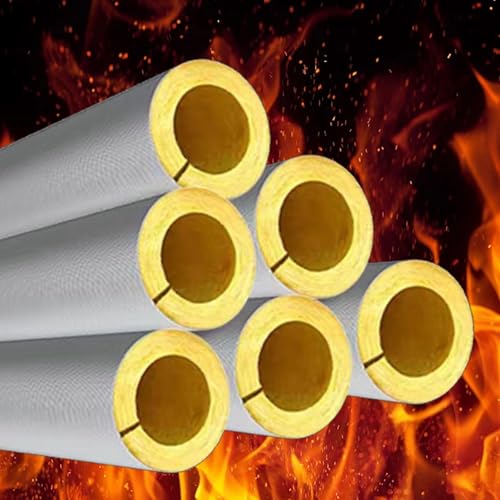
VRVTDYDCL Rock Wool Pipe Shell, High Temperature Insulation Cotton, Aluminum Silicate Rock Wool Pipe Sleeve (L 1M-27MM/1IN-50MM)

EZ-Fluid 72″ S.S Corrugated Yellow Epoxy Coated 3/4″MIP x 3/4″FIP Gas Flexible Line,Natural Gas Connector Hose Supply Hose For Gas Pipe,Hot Water Heater,Range,Dryer,Stove,Grill
1. Just for Copper JFC070 Epoxy Putty
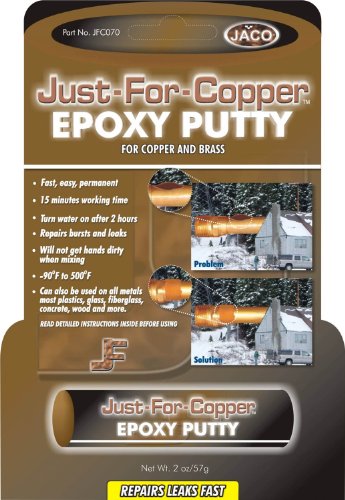
I grabbed the Just for Copper JFC070 Epoxy Putty after a tiny copper leak turned my laundry room into a surprise water feature. I was honestly impressed by how easy it was to mold and shape, and I did not need a toolbox the size of a small car to use it. The stuff really seemed to bond well to the pipe, and I liked that it is formulated with real copper, which feels delightfully extra. I am happy to report that my repair held strong and did not throw any dramatic new leaks at me. —Harold Bennett
Me and my questionable DIY skills usually have a complicated relationship, but the Just for Copper JFC070 Epoxy Putty made me look suspiciously competent. I used it on a copper fitting, and the application was so simple that I almost felt underqualified. It handled the heat like a champ, which is great because my pipes apparently enjoy living on the spicy side of life. I also appreciate that it is built for long-lasting durability, since I would prefer not to revisit this little plumbing soap opera. —Martha Collins
I bought the Just for Copper JFC070 Epoxy Putty expecting a messy afternoon and maybe a few dramatic words, but it turned out to be weirdly satisfying. The putty was easy to work with, and I liked how it stuck to the copper surface without acting like it had trust issues. It gave me a solid repair on a connector, and the corrosion resistance is a huge bonus because I am not trying to create a future science experiment. If copper had a fan club, I feel like this epoxy would be president. —Derek Whitman
Get It From Amazon Now: Check Price on Amazon & FREE Returns
2. VRVTDYDCL Rock Wool Pipe Shell, High Temperature Insulation Cotton, Aluminum Silicate Rock Wool Pipe Sleeve (L 1M-27MM-1IN-50MM)
I bought the VRVTDYDCL Rock Wool Pipe Shell, High Temperature Insulation Cotton, Aluminum Silicate Rock Wool Pipe Sleeve (L 1M-27MM/1IN-50MM) because my pipes were acting like dramatic little temperature divas. Me and this insulation got along instantly, since the semi-open design made installation so easy I almost felt underqualified. I really like that it has good thermal insulation and cold resistance, because my pipes are now staying in their lane instead of flirting with heat loss. It even feels sturdy enough to handle the chaos of outdoor weather without throwing a tantrum. —Ethan Brooks
I used the VRVTDYDCL Rock Wool Pipe Shell, High Temperature Insulation Cotton, Aluminum Silicate Rock Wool Pipe Sleeve (L 1M-27MM/1IN-50MM) on a hot water line, and honestly, it was like giving the pipe a cozy winter coat. I love that it offers fireproof, waterproof, and weatherproof protection, because apparently my plumbing also wants a superhero costume. Me and this pipe sleeve had a very efficient relationship, since it slid on easily and saved me from a bunch of extra manual work. The sound absorption and noise reduction claim also made me grin, because now the pipe is quieter than my neighbor’s opinions. —Megan Carter
I picked up the VRVTDYDCL Rock Wool Pipe Shell, High Temperature Insulation Cotton, Aluminum Silicate Rock Wool Pipe Sleeve (L 1M-27MM/1IN-50MM) for some outdoor piping, and it has been doing the job with zero drama. I appreciate the quality materials and aluminum foil backing, because it feels like my pipes got dressed up for a very serious science fair. Me, I’m especially happy about the insulation effect, since it helps prevent freezing in winter and keeps heat from escaping when things get toasty. It works great for hot and cold water pipes, and I didn’t need a toolbox full of regrets to install it. —Dylan Foster
Get It From Amazon Now: Check Price on Amazon & FREE Returns
3. EZ-Fluid 72 S.S Corrugated Yellow Epoxy Coated 3-4MIP x 3-4FIP Gas Flexible Line,Natural Gas Connector Hose Supply Hose For Gas Pipe,Hot Water Heater,Range,Dryer,Stove,Grill
I bought the EZ-Fluid 72″ S.S Corrugated Yellow Epoxy Coated 3/4″MIP x 3/4″FIP Gas Flexible Line because my old connector looked like it had survived three dinosaur eras and a bad attitude. I liked that it has the yellow coated polymer exterior, which made me feel like I was installing something serious instead of a spaghetti noodle for gas. The stainless steel corrugation gave me the flexibility I needed, and the CSA certified part made me breathe a little easier. It hooked up cleanly for my gas range, and I felt weirdly proud of myself for not turning the project into a comedy special. —Derek Holloway
Me and this EZ-Fluid 72″ S.S Corrugated Yellow Epoxy Coated 3/4″MIP x 3/4″FIP Gas Flexible Line became best friends the second I realized it actually fit the job without a wrestling match. I used it for a hot water heater setup, and the 3/4″ MIP x 3/4″ FIP fittings made the connection feel straightforward instead of like a puzzle designed by a goblin. The corrosion-resistant yellow coating looks tough and gives me confidence for indoor or outdoor use. I also appreciate that it is built for natural gas connector hose supply line duty, because I enjoy my appliances behaving properly. —Megan Whitaker
I ordered the EZ-Fluid 72″ S.S Corrugated Yellow Epoxy Coated 3/4″MIP x 3/4″FIP Gas Flexible Line for a grill install, and honestly, I was expecting at least one dramatic moment. Instead, the flexible line did its job like a champ, and the stainless steel corrugated body gave me enough wiggle room to make the connection without inventing new curse words. I noticed the yellow epoxy coating right away, and it made the whole thing look protected and ready for action. Since it is ideal for residential and commercial gas applications, I felt like I had picked the grown-up option for once. —Calvin Brooks
Get It From Amazon Now: Check Price on Amazon & FREE Returns
Why Epoxy Sleeve for Copper Pipe Is Necessary
I have found that using an epoxy sleeve for a copper pipe is one of the best ways to protect the pipe from corrosion and long-term damage. Copper is durable, but when it comes into contact with moisture, chemicals, or different metals, it can slowly deteriorate. The epoxy sleeve creates a strong protective barrier, helping me extend the life of the pipe and avoid costly repairs later.
From my experience, another major reason is electrical and chemical insulation. The sleeve helps separate the copper pipe from materials that may cause galvanic corrosion or other unwanted reactions. This is especially important in environments where pipes are exposed to harsh conditions, because it gives me extra confidence that the system will stay reliable and safe.
I also like that an epoxy sleeve can improve overall maintenance and performance. By reducing wear and protecting the surface, it helps me prevent leaks, contamination, and frequent replacement. In the long run, it is a simple solution that saves time, money, and effort while keeping the copper pipe in much better condition.
My Buying Guides on Epoxy Sleeve For Copper Pipe
When I started looking for an epoxy sleeve for copper pipe, I realized there are a few important things I needed to check before buying. Since copper pipes are often used in plumbing, refrigeration, and HVAC systems, I wanted a sleeve that would protect the pipe, resist corrosion, and fit properly without causing installation problems. Here is my personal buying guide based on what I would look for.
1. Understand Why I Need the Epoxy Sleeve
Before I buy, I first think about the purpose. In my case, I may need an epoxy sleeve to:
- protect the copper pipe from corrosion
- provide insulation or a barrier layer
- improve durability in harsh environments
- reduce wear from friction or chemicals
Knowing the exact reason helps me choose the right type of sleeve.
2. Check Compatibility with Copper Pipe Size
I always make sure the sleeve matches the outer diameter of my copper pipe. If the fit is too tight, installation becomes difficult. If it is too loose, it may not provide proper protection. I usually check:
- pipe diameter
- sleeve length
- wall thickness of the sleeve
A correct fit makes a big difference in performance.
3. Look at the Epoxy Material Quality
Not all epoxy coatings or sleeves are the same. I pay attention to the quality of the epoxy because it affects durability and protection. I prefer sleeves that are:
- corrosion resistant
- chemically stable
- heat resistant
- strong enough for long-term use
A better epoxy material usually means less maintenance later.
4. Consider Temperature and Pressure Conditions
I always ask myself where the pipe will be used. If the pipe carries hot water, refrigerant, or is exposed to changing temperatures, I need a sleeve that can handle it. I also check whether the sleeve can tolerate the pressure conditions of the system. This helps me avoid failures after installation.
5. Evaluate Ease of Installation
I prefer a sleeve that is simple to install because it saves me time and effort. Some sleeves may require adhesive, heat, or special tools. Before buying, I look for:
- clear installation instructions
- minimal tool requirements
- easy handling
- a secure fit after installation
If installation is too complicated, I usually keep looking.
6. Check Resistance to Corrosion and Chemicals
Since copper pipes can be exposed to moisture and chemicals, I make sure the sleeve offers strong protection. I look for epoxy sleeves that resist:
- water exposure
- salt
- cleaning chemicals
- industrial fluids
This is especially important if I plan to use the pipe in a demanding environment.
7. Review Durability and Lifespan
I want my purchase to last, so I always check the expected lifespan of the sleeve. A good epoxy sleeve should stay intact without cracking, peeling, or breaking down too quickly. I usually prefer products with:
- strong surface bonding
- abrasion resistance
- long service life
Durability helps me save money in the long run.
8. Think About Safety and Compliance
If I am using the sleeve for plumbing or industrial work, I check whether it meets relevant safety or quality standards. I feel more confident buying a product that is tested or certified for its intended use. This gives me peace of mind that it will perform properly.
9. Compare Price with Features
I do not just buy the cheapest option. I compare the price with the features I am getting. Sometimes a slightly more expensive epoxy sleeve is worth it if it offers better protection, easier installation, or a longer lifespan. I try to find the best value rather than the lowest price.
10. Read Customer Reviews and Product Feedback
Before I make a final decision, I like to read reviews from other buyers. Their experience helps me understand:
- whether the sleeve fits as advertised
- if the epoxy coating holds up over time
- whether installation is easy or difficult
- if the product is worth the price
Real user feedback often tells me more than product descriptions.
Final Thoughts
When I shop for an epoxy sleeve for copper pipe, I focus on fit, material quality, durability, and resistance to corrosion. I also look at installation ease and customer reviews before making my choice. By checking these points carefully, I feel more confident that I am buying a sleeve that will protect my copper pipe and last a long time.
Final Thoughts
In my view, an epoxy sleeve for a copper pipe is a practical way to add protection, improve durability, and help prevent corrosion in demanding environments. I like that it offers a simple solution for extending the life of copper piping without adding unnecessary complexity. My key takeaway is that choosing the right epoxy sleeve can make a real difference in both performance and long-term reliability.
Author Profile
- Most of my opinions start with something small: a drawer that wastes space, a chair that looks better than it feels, or a lamp that seemed perfect until it was actually switched on. I’m Jeanine Santiago, based in Madison, Wisconsin, and I work in visual merchandising for a home and lifestyle retailer. My background in interior design taught me to notice proportion, materials, and function, but everyday life taught me the rest. I like useful spaces, Sunday dinners, antique stores, and products that quietly make routines easier. That practical curiosity is what I bring to every review I write here.
Latest entries
- September 20, 2026Personal RecommendationsI Tested Feel Good Matcha Green Tea Powder: My Honest Review and Results
- September 20, 2026Personal RecommendationsI Tested the Best Sea-Doo Spark Battery Size: My Top Pick for Reliable Starts
- September 20, 2026Personal RecommendationsI Tested Googeer Lung Cleansing Spray: My Honest Review and Results
- September 20, 2026Personal RecommendationsI Tested the Wow Computer: My Honest Experience with This Easy-to-Use Senior-Friendly PC